
Preparing Your Teen’s First Car: A Parent’s Guide to Safe and Affordable Auto Repairs
Bringing a teenager’s first car home is an exciting milestone, but it can also be daunting. As a parent, you want to ensure that the vehicle is safe, reliable, and ready to hit the road. This is where understanding the basics of auto repair comes into play. You don’t need to become a mechanic overnight, but having a grasp of essential maintenance and repair tasks will make the experience smoother for both you and your teen.
Start by familiarizing yourself with the car’s owner manual. This guide is packed with vital information about recommended maintenance schedules, fluid types, and even tire pressure specifics. Knowing what your car needs and when it needs it can help you avoid costly repairs down the line. For example, regular oil changes are crucial for engine health, and keeping an eye on your coolant levels can prevent overheating. If your teenager’s new car has been sitting idle for a while, it’s worth checking the battery and tires, as these can deteriorate without regular use.
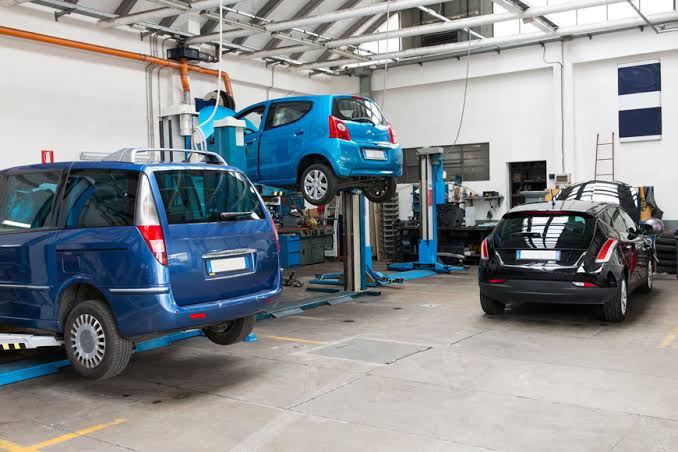
Next, consider setting a budget for any necessary repairs or upgrades. It’s not uncommon for first-time car owners to overlook costs associated with insurance, registration, and potential maintenance needs. Ensure your budget includes funds for routine maintenance, and perhaps set aside a little extra for unexpected repairs. This will alleviate some stress when those inevitable issues arise. If your budget is tight, look into community colleges or vocational schools with automotive programs. They often offer affordable services performed by students under professional supervision.
Communication is key when it comes to teaching your teenager about their new car. Take them along for simple tasks, like changing the oil or rotating tires. This not only builds their confidence in handling future issues but also fosters a sense of responsibility. Encourage them to keep an eye on warning lights and to understand what they mean. If they notice something unusual, like a strange noise or a drop in performance, they should feel comfortable bringing it to you.
Lastly, don’t underestimate the value of preventative maintenance. Regularly checking fluid levels, inspecting brakes, and keeping tires properly inflated can save you from larger headaches later. Just a little attention can go a long way in ensuring your teen’s first driving experience is both enjoyable and safe. By being proactive and involved, you’re setting the stage for a positive relationship with their newly acquired independence.
…