
Planning a Boat Lift Around Your Dock, Water, and Vessel
A boat lift installation usually looks simple from the shoreline, but plenty of important details sit behind a setup that works smoothly year after year. Dock dimensions, slip width, water depth, bottom conditions, electrical access, and the boat itself all influence the final choice. For owners considering wide slip boat lifts at Lake of the Ozarks, careful planning can prevent surprises once installation begins. A lift needs enough space to operate freely, enough capacity to support the vessel, and a position that makes docking comfortable rather than awkward. Taking accurate measurements before choosing equipment can save time, reduce unnecessary adjustments, and create a much more practical result.
Dock measurements should be one of the first things checked. The available slip width, length, surrounding walkways, roof supports, and nearby structures can all affect how much room the lift actually has. A vessel also needs sufficient clearance to enter and leave without rubbing against the dock or forcing the operator into difficult positioning. Even a few inches can matter when dealing with a wider boat. It is also worth thinking about how people move around the dock once the boat is raised. A setup that technically fits may still feel cramped if access to boarding areas, storage spaces, or walkways becomes restricted.
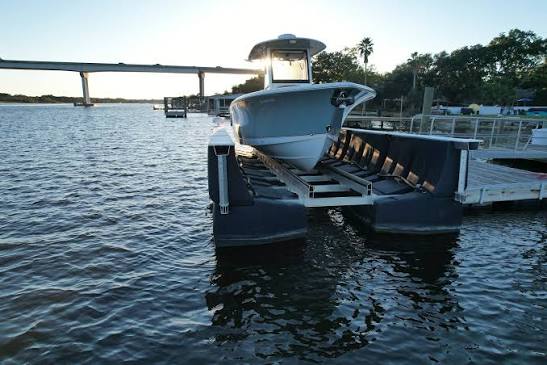
Water conditions add another layer to the planning process. Depth at the dock can vary, and changes in lake level may influence how the lift performs during different parts of the season. The bottom should also be considered, especially when the installation method depends on underwater support. Soft sediment, rock, uneven surfaces, or submerged obstacles can affect placement and stability. These conditions are not always obvious from above the water, which makes a site assessment useful before equipment arrives. Understanding the environment helps installers select a position and configuration that suits the location rather than forcing a standard solution into an unsuitable space.
Electrical access matters when the lift uses powered motors or controls. Connections near water need to be planned carefully, with suitable protection and proper installation. The location of the power supply, cable routing, controls, and any required upgrades should be considered early instead of being treated as an afterthought. Local rules, permits, dock regulations, or association requirements may also influence what can be installed. Checking these details before work starts can help avoid delays. Boat specifications deserve the same attention, including total operating weight, beam width, hull shape, engines, fuel, batteries, and equipment that stays on board.
A successful lift installation comes from matching all of these details rather than focusing on a single measurement. The dock, water, electrical setup, regulations, and vessel need to work together as one system. When evaluating wide slip boat lifts at Lake of the Ozarks, owners can benefit from professional measurements and a site-specific assessment before making the final choice. That approach can help prevent capacity problems, poor clearance, inconvenient access, or unexpected installation changes. With thoughtful preparation, the finished setup can feel natural to use, support the boat correctly, and make every return to the dock a little easier.